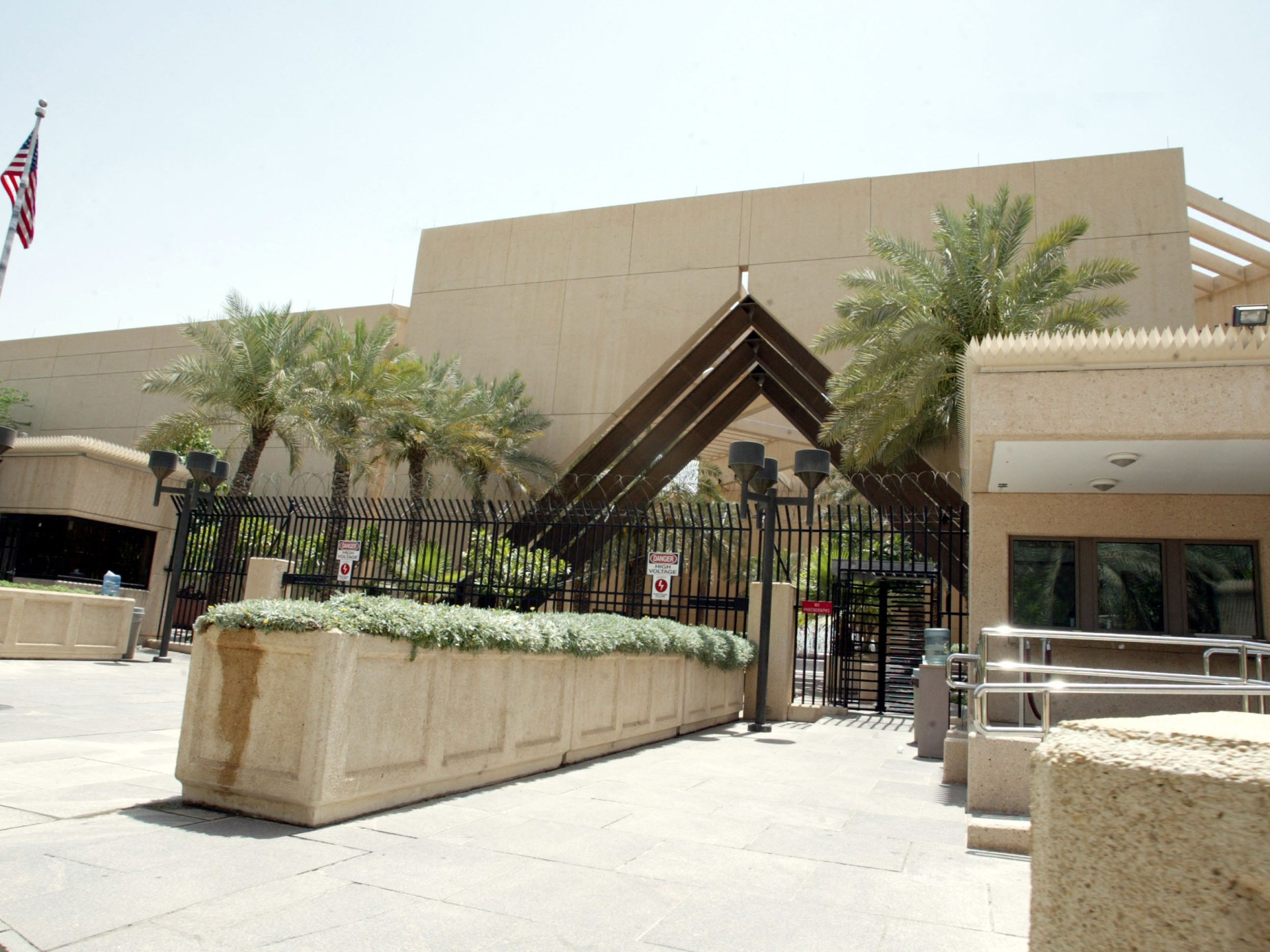
Escalation in the Middle East: US Embassy in Riyadh Hit by Drone Attack, "DEPART NOW" Warning Issued
The geopolitical landscape of the Middle East has been rocked by a dramatic escalation of hostilities, culminating in a direct drone attack on the United States Embassy in Riyadh, Saudi Arabia. This unprecedented event has prompted an immediate and stark response from Washington, with the US State Department issuing a rare and urgent "DEPART NOW" alert to American citizens across fourteen countries in the region. The incident underscores the rapidly expanding and intensifying conflict that now threatens to redraw alliances and destabilize an already volatile part of the world.
The attack on the American embassy in Riyadh, reportedly struck by two presumed Iranian drones, marks a significant turning point in the ongoing regional tensions. While initial reports from the Saudi Ministry of Defense indicated "limited fire and minor material damage" with no reported injuries, the symbolic weight of such a strike against a diplomatic mission cannot be overstated. It represents a direct challenge to international norms and a dangerous broadening of the conflict beyond traditional military targets. This incident, where the
US Embassy in Riyadh was hit by drones, signals a new and perilous phase in regional dynamics.
The "DEPART NOW" Mandate: A Drastic Precaution for US Citizens
In the wake of the attack on the diplomatic outpost, the US State Department’s directive for its citizens to "DEPART NOW" from numerous Middle Eastern nations reflects the severity of the perceived security risks. This advisory, considered a rare and critical level of alert in diplomatic communications, applies to countries including Saudi Arabia, the United Arab Emirates, Qatar, Kuwait, Israel, Iraq, Lebanon, and Iran. American nationals have been urged to utilize any available commercial flights to leave immediately, highlighting the urgency and concern within Washington about the safety of its expatriates and travelers.
Such a comprehensive warning is not issued lightly. It indicates intelligence suggesting imminent and widespread threats that could impact civilian populations. For Americans living and working in these nations, the message is unambiguous: the security environment has deteriorated to a point where continued presence carries unacceptable risks. The sheer breadth of the warning—encompassing allies and adversaries alike—underscores the pervasive nature of the current instability.
Practical Implications for Those in the Region
For US citizens affected by the "DEPART NOW" warning, the situation demands swift and decisive action. Here are some critical steps and considerations:
- Prioritize Departure: Heed the warning and make immediate arrangements to leave using commercial flights. Delay could lead to fewer options or increased danger.
- Register with STEP: Ensure you are registered with the Smart Traveler Enrollment Program (STEP) to receive updates and allow the embassy to contact you in an emergency.
- Monitor Official Channels: Stay constantly updated by checking official US Embassy websites, the State Department’s travel advisories, and reputable news sources.
- Secure Documents and Finances: Have all essential travel documents readily accessible. Ensure you have sufficient funds for unexpected travel expenses.
- Communicate with Loved Ones: Inform family and friends of your plans and status.
- Develop a Contingency Plan: Even if you plan to stay, have an evacuation plan in place, including routes, meeting points, and emergency contacts.
The unprecedented nature of the advisory, following the attack where the
Iranian drones struck US embassy in Riyadh, highlights the profound shift in the regional security paradigm.
A Conflict Intensifies and Spreads Across Multiple Fronts
The strike on the US embassy, a direct hit on American diplomatic presence in a key allied nation, did not occur in isolation. It is part of a broader, rapidly intensifying conflict that has seen a dangerous escalation of military actions across the Middle East. According to the US Central Command (CENTCOM), over 1,250 targets were struck in Iran within the first 48 hours of the current operation. In retaliation, Tehran launched its own missile and drone attacks against Israel and several Gulf states, demonstrating a willingness to engage in direct confrontation.
Beyond these direct exchanges, the conflict has rapidly spilled over into proxy battles and regional flashpoints:
- Saudi Arabian Air Defenses: Saudi Arabia reported intercepting eight drones near Riyadh and the nearby city of Al-Kharj, illustrating the constant threat to its airspace and critical infrastructure.
- Lebanon Front: Hezbollah, a powerful Iran-backed group, launched missiles from Lebanon towards Israel. In response, an Israeli strike targeted the offices of Al-Manar, a Hezbollah-affiliated TV channel, in the southern suburbs of Beirut, resulting in visible fire and thick black smoke.
- UAE Under Attack: The United Arab Emirates reported facing a "barrage of ballistic missiles coming from Iran," leading to the suspension of operations at several airports. This extends the conflict’s reach to another vital economic hub in the Gulf.
- Growing Casualties: The human cost of this escalation is already evident, with six American soldiers reported killed since the offensive began.
The concurrent recommendation from the French Embassy in Jordan for its subscribers to avoid the US Embassy in Amman due to an imminent attack warning further underscores the pervasive and multi-faceted nature of the security threats now engulfing the region.
US Response and the Prospect of a Prolonged War
The attack on the embassy in Riyadh, where the main keyword "ambassade ryad touchée" translates to the American embassy in Riyadh being hit, has elicited strong condemnation and promises of a robust response from Washington. President Donald Trump has vowed an "upcoming response" to the attack, while Secretary of State Marco Rubio warned that "the toughest strikes remain to come" and that "the next phase will be even more punitive." This rhetoric signals a potential for further military action and a hardening of the US stance.
The Trump administration is reportedly not ruling out the deployment of ground troops, a move that would represent a significant escalation and a major commitment of American forces to a deeply complex and entrenched conflict. On the other side, Tehran has declared its readiness for "a long war," suggesting a protracted and potentially devastating period of hostilities if a diplomatic solution cannot be found.
The current situation represents a critical juncture for international diplomacy and security. The direct attack on a diplomatic mission, coupled with the widespread military engagements, signifies a dangerous departure from previous regional tensions. The world watches anxiously as leaders navigate this perilous new phase, with the potential for further escalation and profound consequences for global stability.
Conclusion: A Region on the Brink
The drone attack on the US Embassy in Riyadh is more than just an isolated incident; it is a clear indicator of a rapidly deteriorating security environment across the Middle East. The "DEPART NOW" warning to American citizens reflects the seriousness of the situation, underscoring the immediate dangers posed by the escalating conflict. With multiple fronts active, increasing casualties, and strong rhetoric from all sides, the region stands on the brink of a potentially protracted and devastating war. The international community faces the urgent challenge of de-escalation and finding pathways to stability before the current crisis spirals further out of control, impacting not only the Middle East but also global economic and political stability.